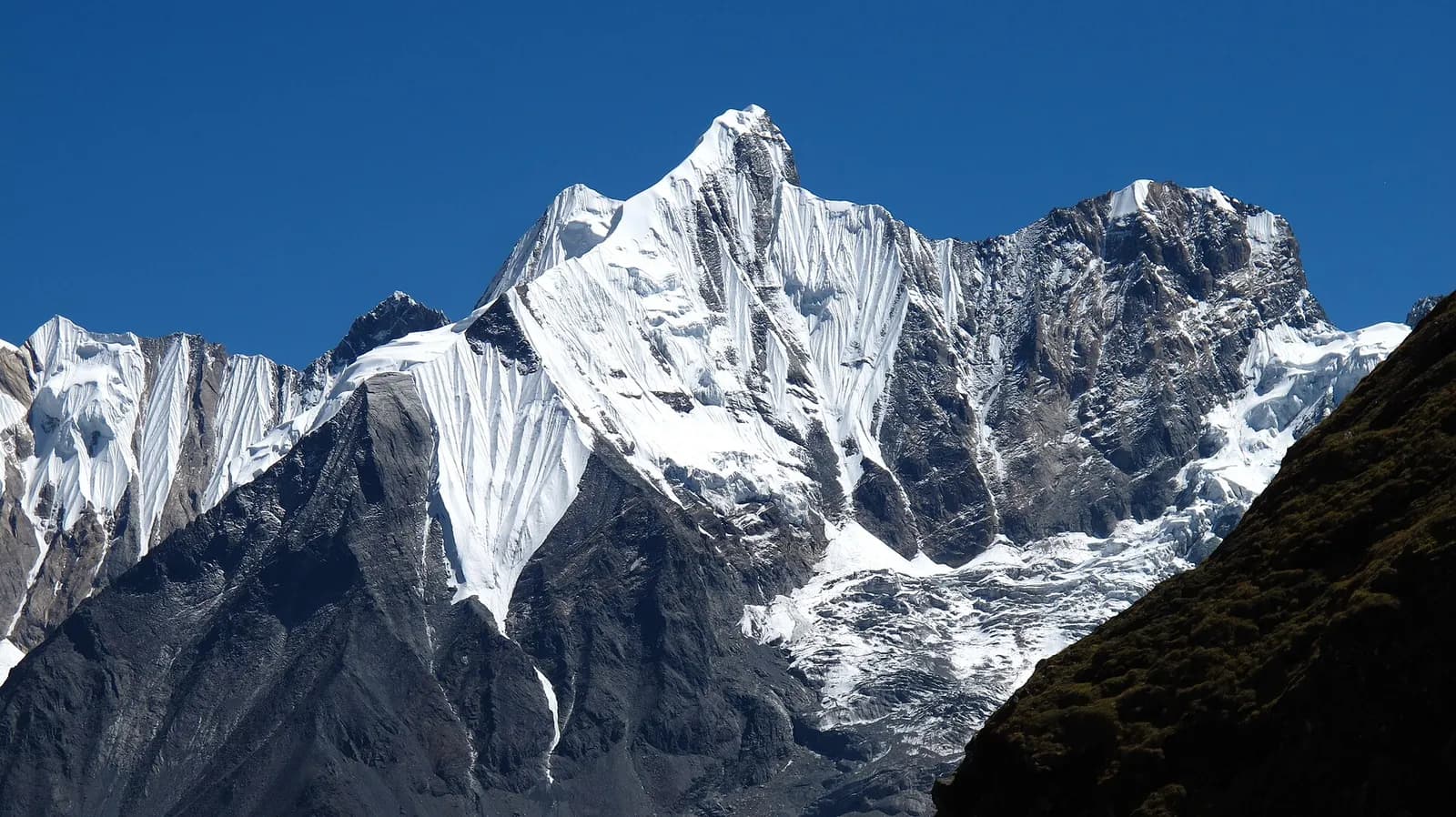
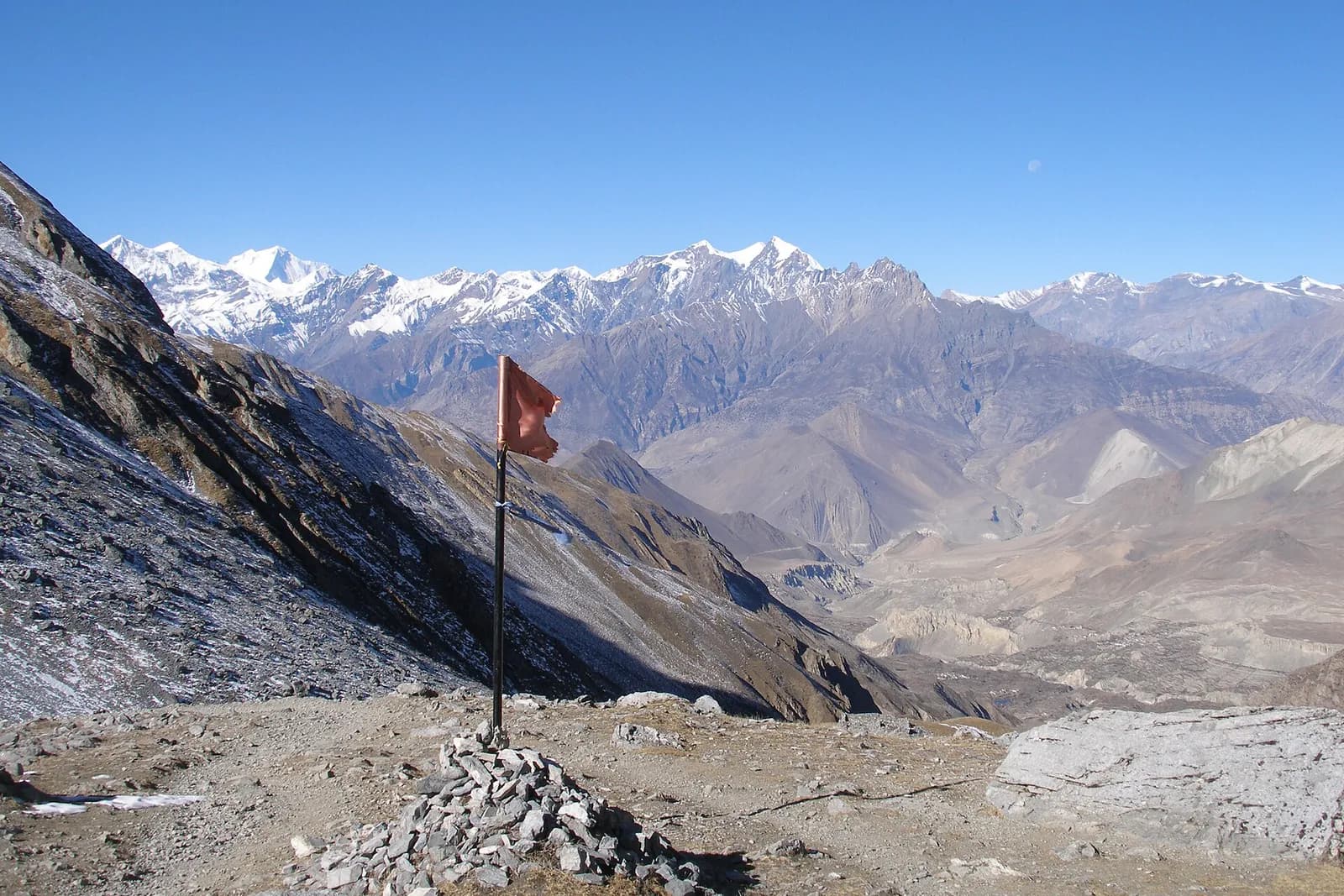
Tsum Valley feels like a secret. It is a side valley off the Manaslu trail, close to the Tibetan border, and was opened to foreign trekkers only in 2008. Here you find barley fields, long mani walls, monasteries clinging to cliffs and people who still live much as they have for centuries.
Trekkers who care more about culture and quiet than about high passes. It is a good choice if you have done the classic treks and want to go somewhere truly different. Because it is restricted, you will need an agency and guide, which keeps numbers low.
The trek starts on the Manaslu Circuit route up the Budhi Gandaki gorge. Near Lokpa, the trail turns east into Tsum. Lower Tsum is forest and small farming villages around Chumling. Upper Tsum opens out at Chhokangparo, with Ganesh Himal views and wide fields.
Further up is Rachen Gompa, a large nunnery, and the village of Nile. A day trip takes you to Mu Gompa, the highest monastery in the valley at about 3,700 m. You return the same way, which gives you a second chance to visit the villages.
Late September to November and March to May. Winter is cold but beautiful, and some lodges close. Avoid monsoon because of landslides in the gorge.
Difficulty and altitude
Moderate. You never sleep higher than about 3,360 m, so altitude is rarely a big problem. The gorge days are long, and the trail is rough in places.
Permits and costs in 2026
You need the Tsum Valley Restricted Area Permit: US$40 a week and then US$7 per day from September to November, or US$30 a week from December to August (Nepal Tourism Board). You also need MCAP (NPR 3,000) and usually TIMS (NPR 2,000).
Permits must be arranged through a registered agency. Food and lodging are a little more expensive than in the Annapurna region. The price on this page is a typical starting price for a guided trip; message us for a quote.
Solo trekkers and the guide rule
Since March 2026, solo trekkers can get restricted area permits, as long as they book through a registered agency and go with a licensed guide. Before that you needed at least two trekkers. One guide can lead up to seven trekkers.
Getting there and where to stay
The trek starts and ends in Kathmandu. Stay in Thamel while your agency sorts the permit: see our Kathmandu hostels, including Alobar1000.
Teahouses, homestays and etiquette
Lodges are simple and often family-run. Walk clockwise around mani walls and stupas, ask before taking photos of people, and dress modestly at monasteries. Small donations at gompas are welcome.
- Warm layers and a sleeping bag rated to -10°C
- Water filter or tablets
- Headtorch and power bank
- Cash for the whole trek
Combine with the Manaslu Circuit Trek for an epic three weeks.


 Hard