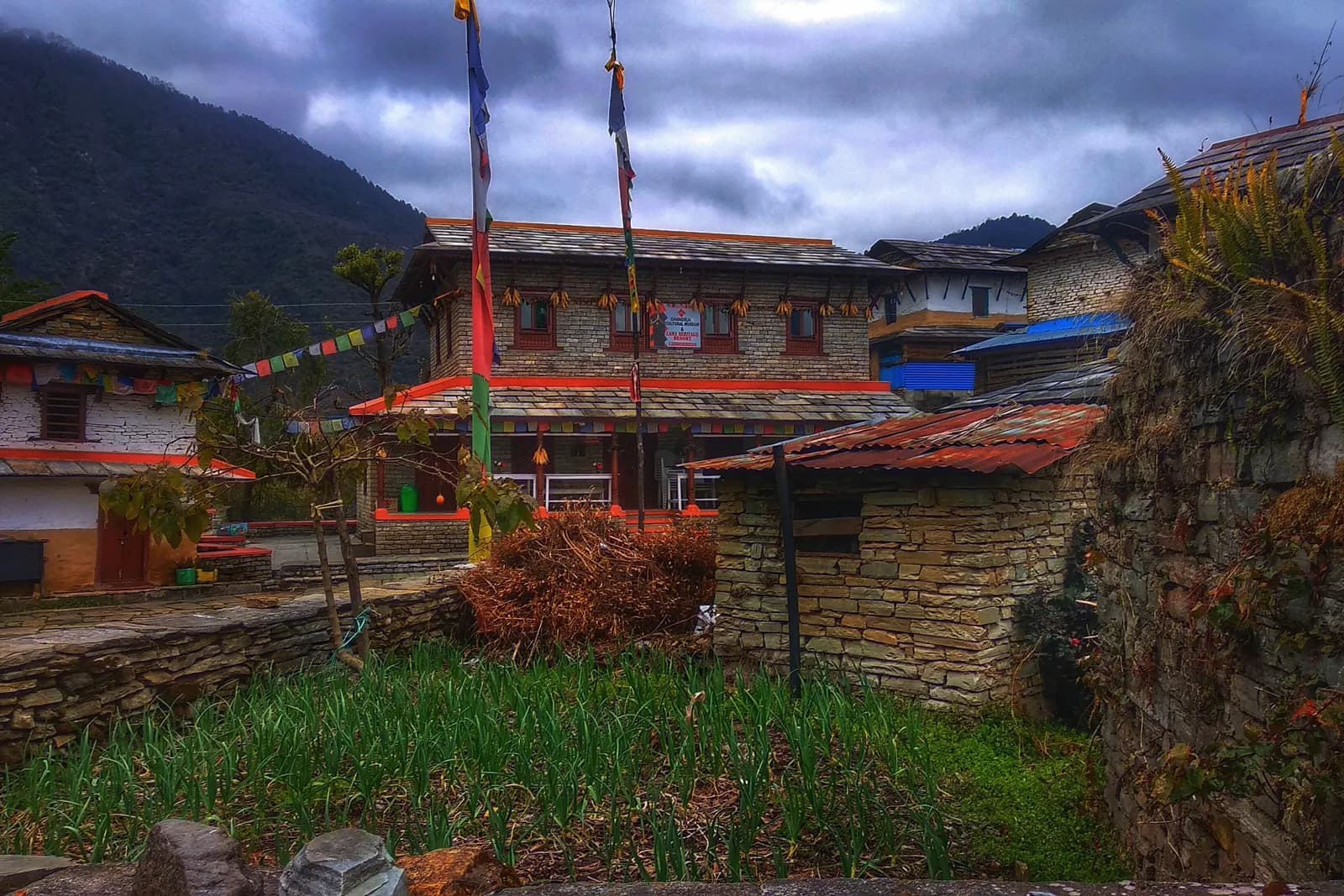
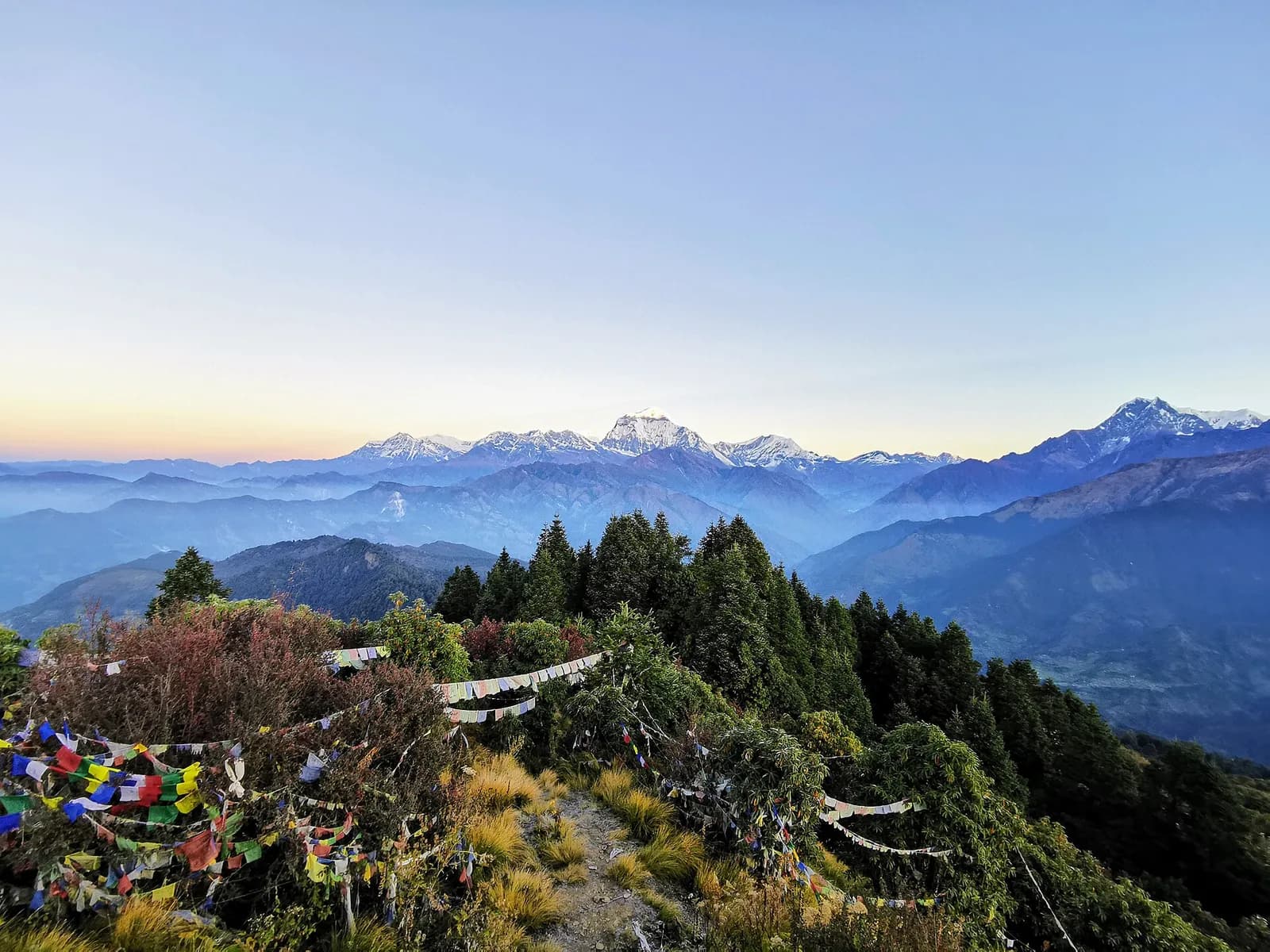
The Annapurna Circuit has been called the best trek in the world for decades, and even with the road now creeping up both sides, it still earns that reputation. No other trek in Nepal crosses so many landscapes: rice terraces and waterfalls at the bottom, pine forest and Tibetan Buddhist villages in Manang, then a high desert pass at Thorong La (5,416 m), and the windswept Kali Gandaki gorge on the other side.
The circuit suits fit trekkers with ten days or more who want variety and a proper high pass without technical climbing. It is a good choice if you have trekked before, or if you are new but sensible about acclimatisation. It is less suited to people with only a week, or anyone who would be upset by sharing parts of the valley with jeeps.
The classic direction is anticlockwise: up the Marsyangdi valley, over Thorong La, and down to Muktinath and the Kali Gandaki. Going this way gives you a gradual climb and a safe acclimatisation profile.
Most trekkers now take a jeep from Besisahar to Chame or Dharapani to skip the lower road. From Chame, the walking is beautiful. Use the upper trail through Upper Pisang, Ghyaru and Ngawal to Manang. It is harder than following the road, but the views are better and the altitude gain is better for acclimatisation.
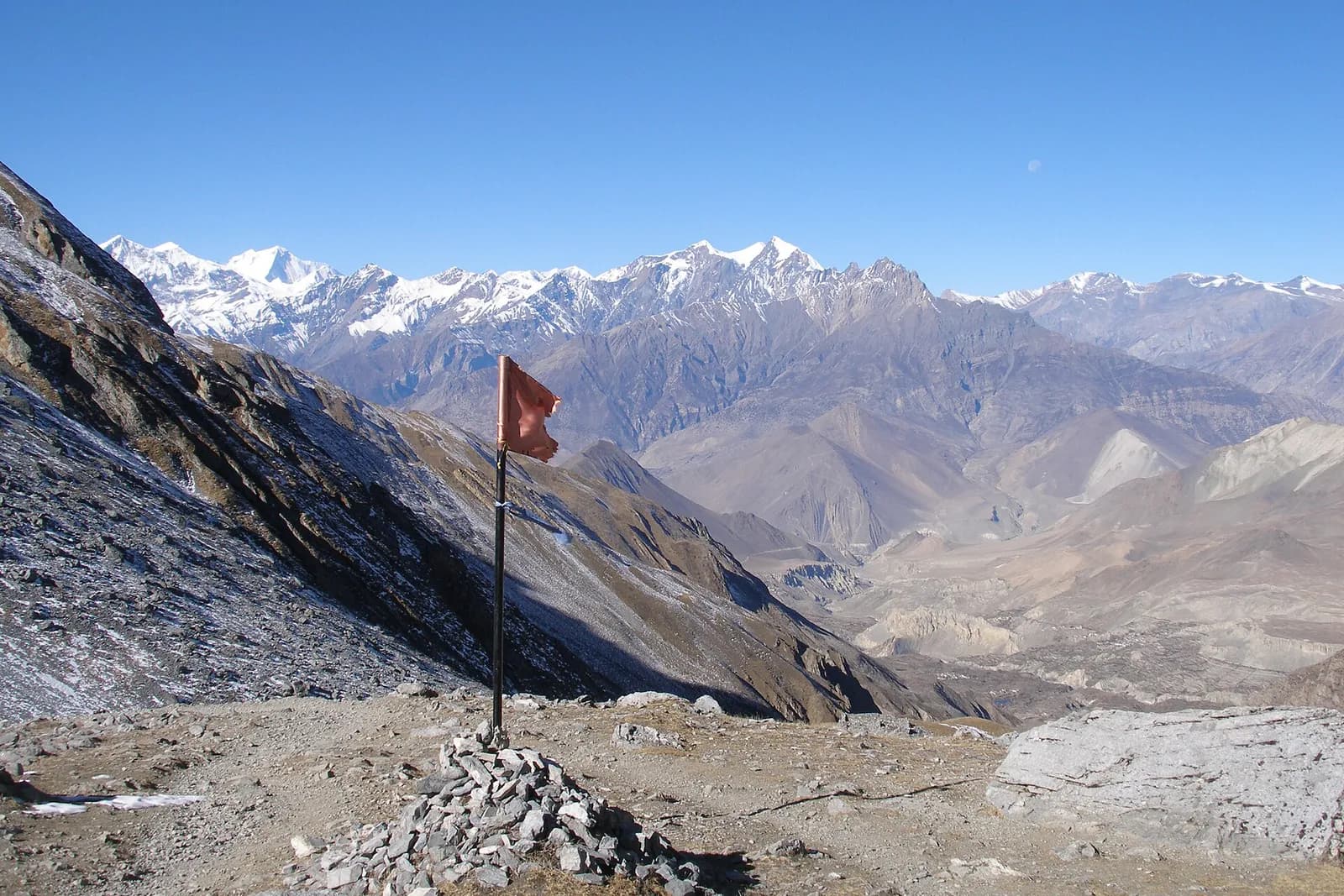
After a rest day in Manang you continue to Yak Kharka, Thorong Phedi and the pass. The crossing is long: four to six hours up and about three down, so start in the dark. After Muktinath, many people ride down to Jomsom and take a bus or flight back to Pokhara. Others walk on to Kagbeni or Marpha, known for its apples.
October and November are the best months: clear and stable, though cold on the pass. March and April are also good, with more chance of snow on Thorong La. In winter the pass is often closed. In monsoon the lower valley is wet and landslide-prone, but the upper Manang valley is in a rain shadow and stays fairly dry.
Difficulty and altitude
This is a hard trek because of altitude, not technique. The days before the pass are short on purpose. The big risk is going up too fast. Use the Manang rest day for a climb-high, sleep-low hike to Ice Lake or the Gangapurna viewpoint. During the season the Himalayan Rescue Association runs an aid post in Manang with daily talks on altitude sickness, and it is worth going.
Signs that you should not cross the pass: a headache that does not go away with rest and water, vomiting, confusion or stumbling. Go down.
Permits and costs in 2026
You need ACAP (NPR 3,000) and TIMS (NPR 2,000), from the Nepal Tourism Board offices in Kathmandu or Pokhara or online. Teahouses are plentiful and cheap. Food is the main cost, and it gets more expensive the closer you get to the pass. Budget US$20–35 a day for meals, more if you like coffee and apple pie (Manang and Marpha are famous for both).
The price on this page is a typical starting price for a guided trip. Message us and we will connect you with our local guides for a quote.
The April 2023 Nepal Tourism Board rule requires a licensed guide in conservation areas, including ACAP. On the circuit there are several checkpoints where permits are checked. Beyond the rules, crossing Thorong La with someone who has done it many times is simply safer, especially after fresh snow.
Getting there and where to stay
From Kathmandu, buses to Besisahar leave early from Gongabu. If you start from Kathmandu, sleep in Thamel the night before; our Kathmandu hostels list has cheap options near the bus stands, such as Alobar1000.
Most people finish in Pokhara. After two weeks on the trail, Lakeside is bliss. Lazy Lads Backpackers Hostel is our pick for a cheap, friendly recovery stop with other trekkers to swap stories with. See more Pokhara hostels.
Teahouses and food
Teahouses along the circuit are among the best in Nepal, with real menus, bakeries in Manang and hot showers in most villages. At Thorong Phedi and High Camp, rooms are cold and basic. Book ahead in October.
- A warm down jacket, gloves and hat for the pass at dawn (often -10°C or colder)
- Sleeping bag rated to -10°C or lower
- Microspikes in shoulder seasons
- Sunglasses with good UV protection
- Trekking poles for the long descent to Muktinath
- Water filter, rehydration salts and a small first-aid kit
- Cash: there is an ATM in Jomsom and sometimes in Manang, but do not rely on them
Never cross Thorong La after a heavy snowfall without local advice; trekkers have died in storms on the pass. Carry enough water and snacks for a long day, and turn back if the weather changes. Check that your insurance covers helicopter rescue to at least 6,000 m.
Add Tilicho Lake from Manang, or continue south from Jomsom down the Kali Gandaki to Tatopani and up to Poon Hill for a full three-week loop. If you want somewhere even quieter and more remote, look at the Manaslu Circuit next door.

 Moderate