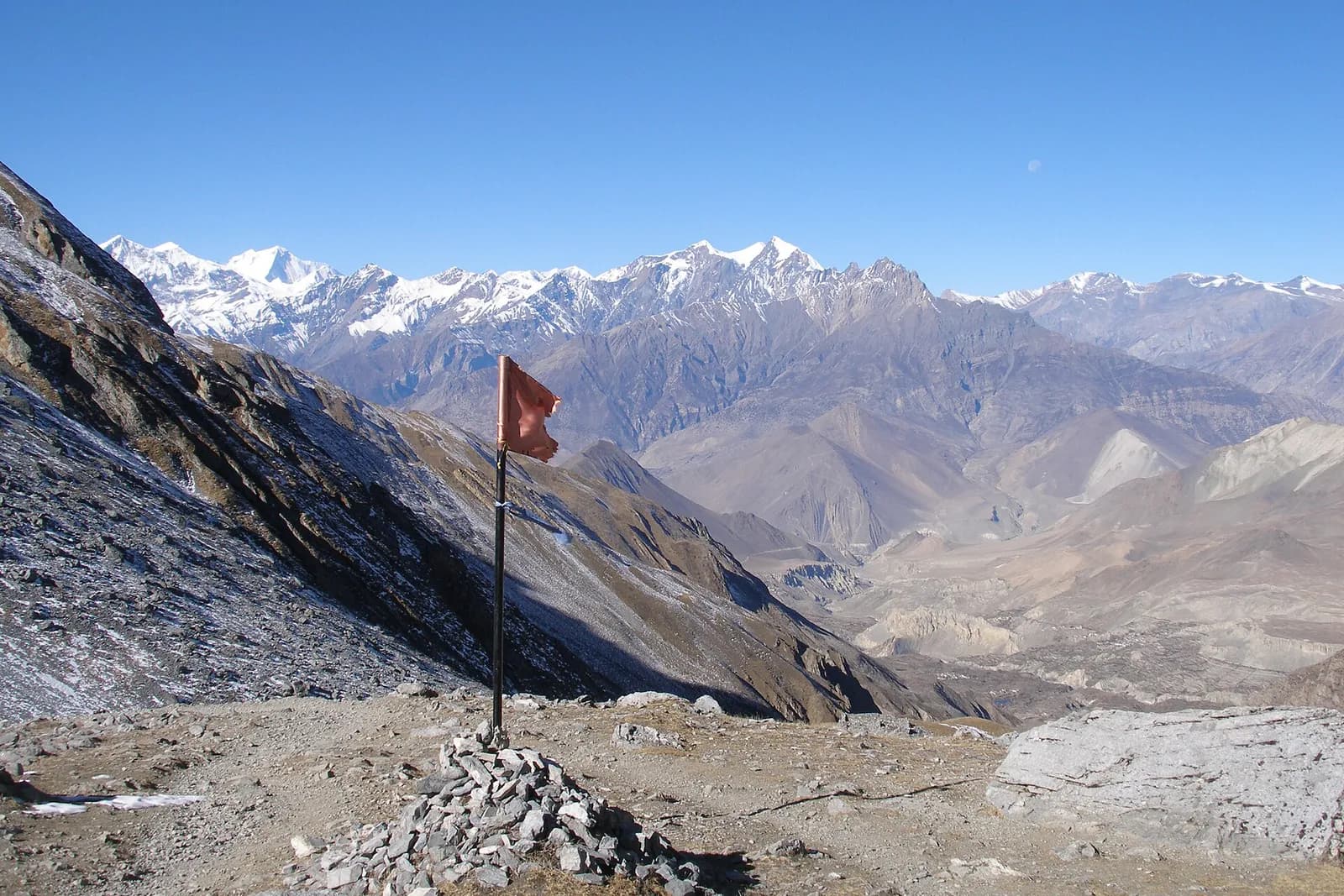
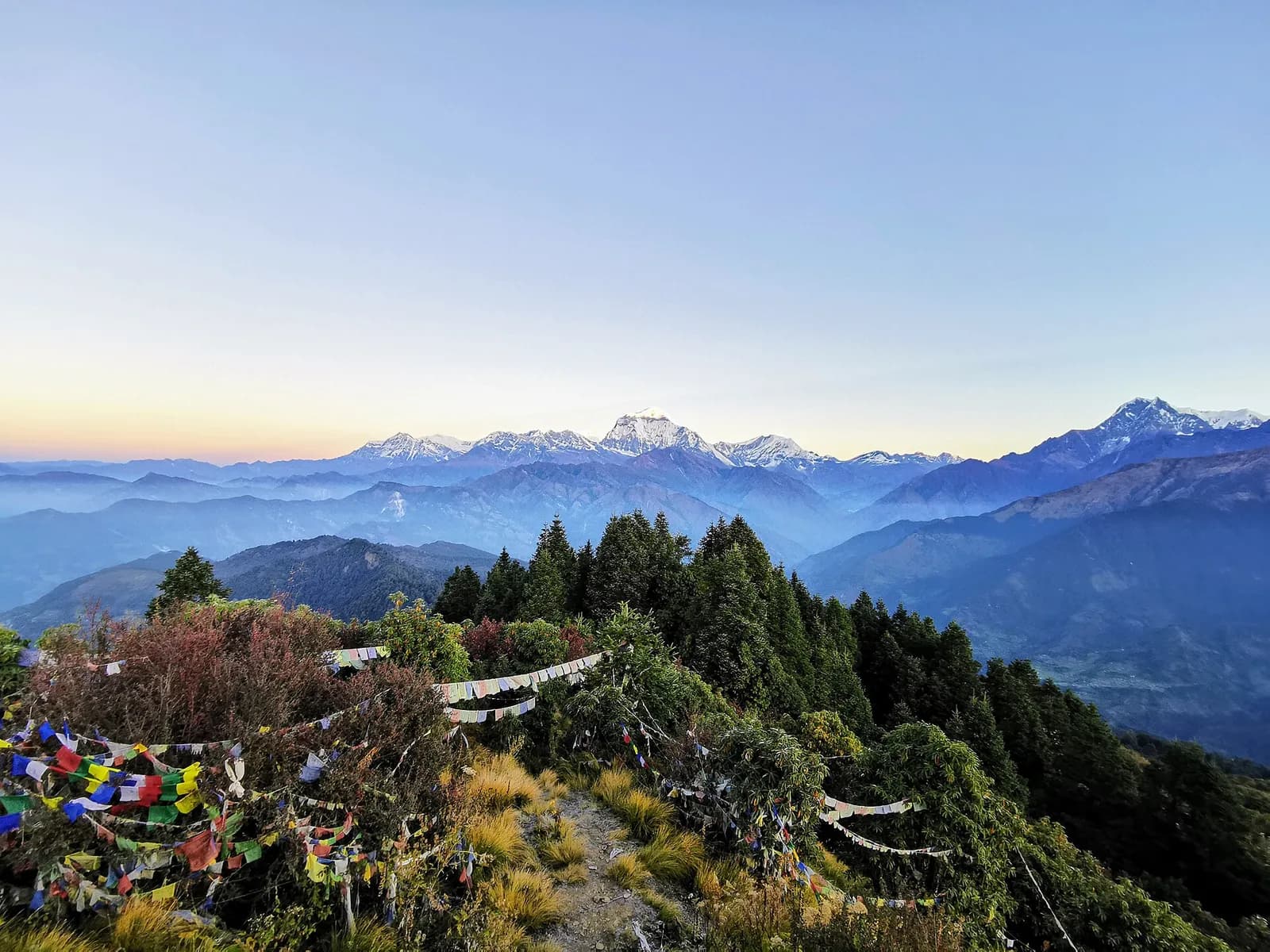
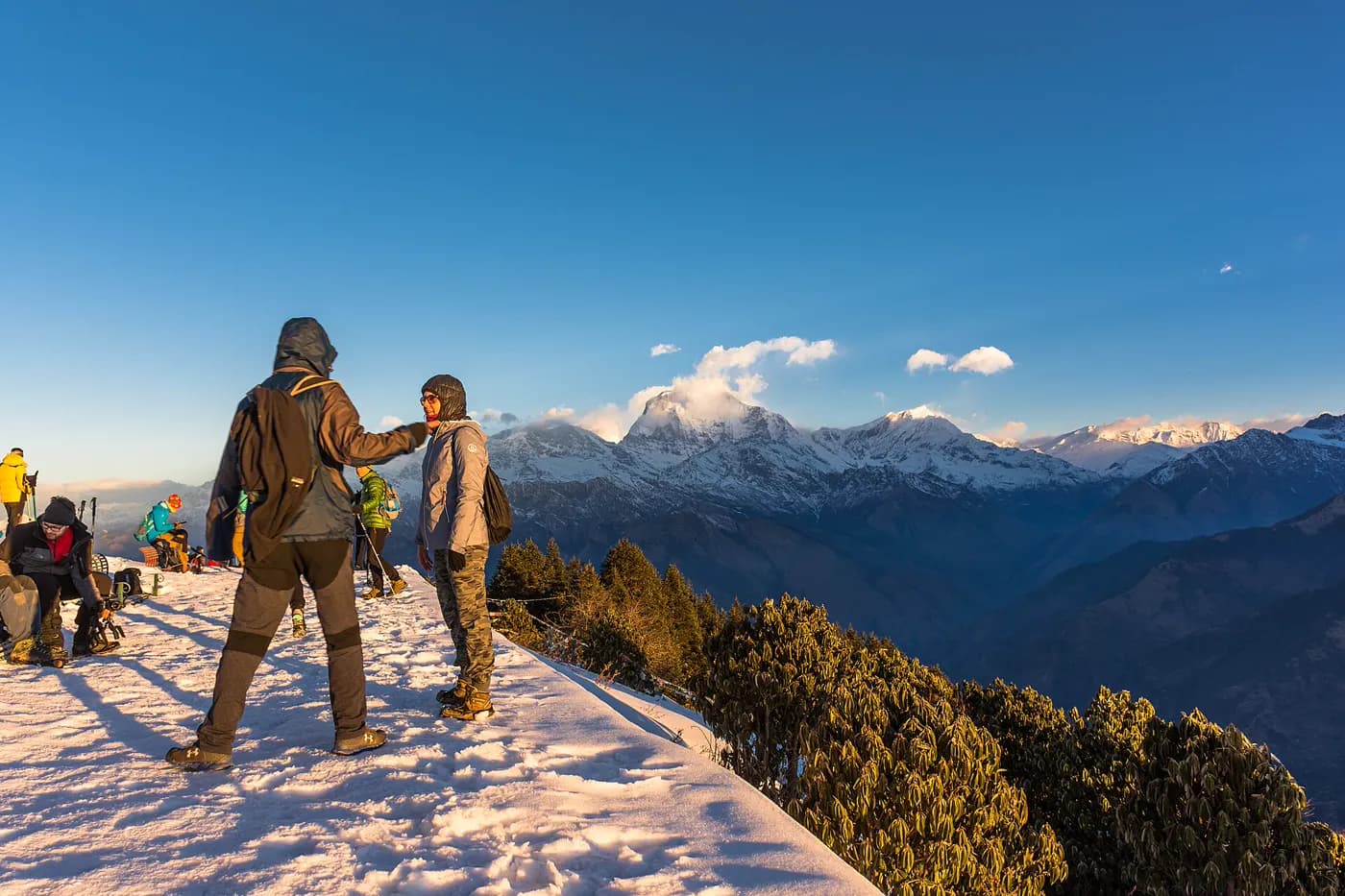
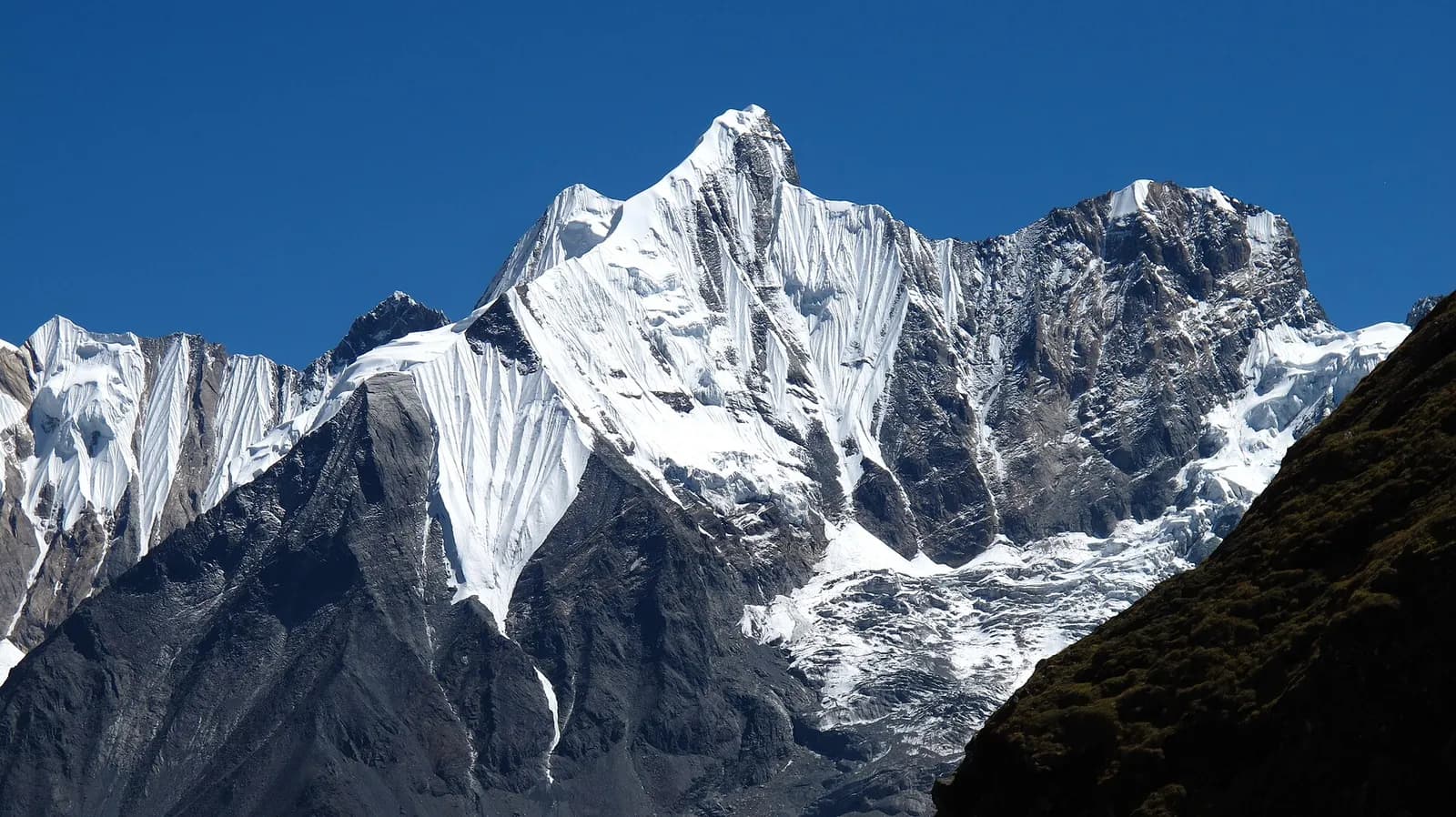
If you only have a few days in Pokhara and want to see the big mountains up close, Poon Hill is the answer. The Ghorepani Poon Hill trek is short, well serviced and gentle on altitude, and it ends with one of the most photographed sunrises in Nepal: Dhaulagiri, Annapurna South, Hiunchuli and Machhapuchhre lighting up one by one.
First-time trekkers, families, people travelling on a tight schedule and anyone who wants the Himalaya without serious altitude. It is also a good warm-up before a longer trek. If you want remote trails and few people, though, Poon Hill is busy in October and spring.
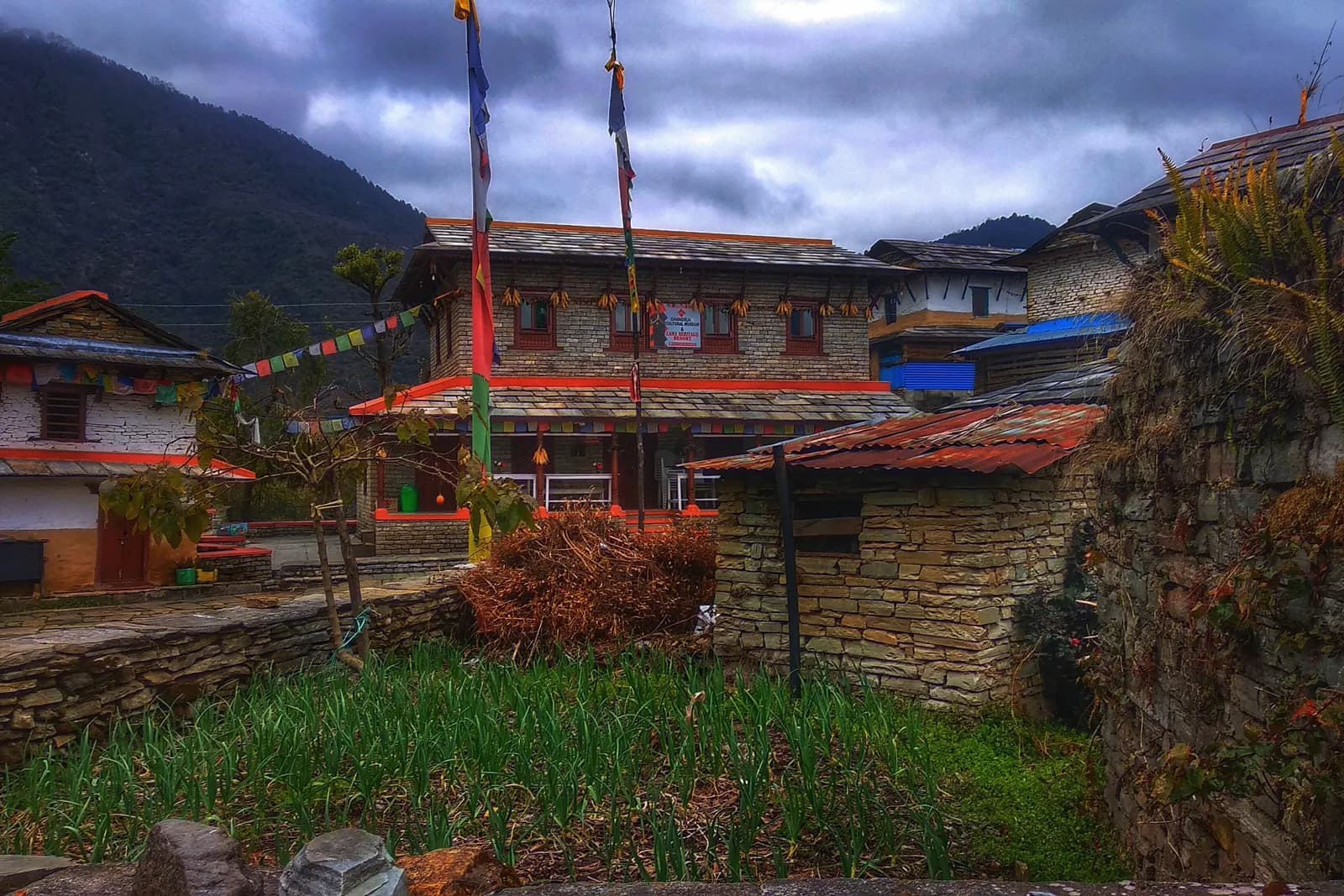
Roads now reach Hile and sometimes Ulleri, so most groups start with a jeep from Lakeside. Then comes the Ulleri staircase, roughly 3,000 stone steps up through Magar villages and terraced fields. It is the hardest part of the whole trek, so take it slowly.
Above Ulleri the trail enters rhododendron and oak forest to Banthanti and Ghorepani. Next morning everyone wakes before dawn and climbs about 45 minutes to Poon Hill at 3,210 m. After sunrise you return for breakfast and walk the forest ridge via Deurali to Tadapani, then down to Ghandruk.
October to December gives clear skies. March and April bring the rhododendrons into flower, which is spectacular, but mornings can be hazy. Winter is cold at Ghorepani, sometimes with snow, but usually clear. Monsoon (June to August) means rain, leeches and hidden mountains.
Difficulty and altitude
This is the easiest of the classic treks. Days are four to six hours. The challenge is all the steps, up on day one and down on the last day. You never sleep above 2,900 m, so serious altitude sickness is unusual. Still, take a headache seriously and drink plenty of water.
Permits and costs in 2026
You need ACAP (NPR 3,000) and TIMS (NPR 2,000). Buy them in Pokhara or online; at the checkpoint the ACAP fee doubles. There is also a small entry fee at the Poon Hill gate.
Food and rooms are cheap by trekking standards: about US$15–25 a day for meals. A guide costs US$25–30 a day. The price on this page is a typical starting price for a guided trip; message us for a quote from local guides.
Since April 2023, Nepal Tourism Board rules say foreign trekkers in conservation areas must use a licensed guide through a registered agency. Poon Hill is inside ACAP, so the rule applies, even though enforcement has been patchy. A guide also adds a lot culturally in the Gurung and Magar villages.
Getting there and where to stay
The trek starts and ends in Pokhara. Spend a night in Lakeside before you go to get permits, then leave your big bag at your hostel. Lazy Lads Backpackers Hostel is our favourite cheap base for trekkers: it is lively, has good local knowledge and is close to the jeep stands. Zostel Pokhara and other Pokhara hostels work too.
Teahouses and food
The lodges at Ghorepani and Ghandruk are some of the best on any trek in Nepal, with hot showers, wifi and proper dining rooms. You will not need a heavy sleeping bag except in winter, but a light one or a liner helps.
- Warm layers for the pre-dawn summit (it is near freezing in winter)
- Headtorch
- Comfortable broken-in shoes or light boots
- Trekking poles for the descent
- Water bottle and purification tablets
- Cash for food, the Poon Hill gate fee and showers
Watch your footing on wet steps, especially in monsoon. Stay on main trails in forest sections after dark. If you go up without a guide, walk with others before dawn.
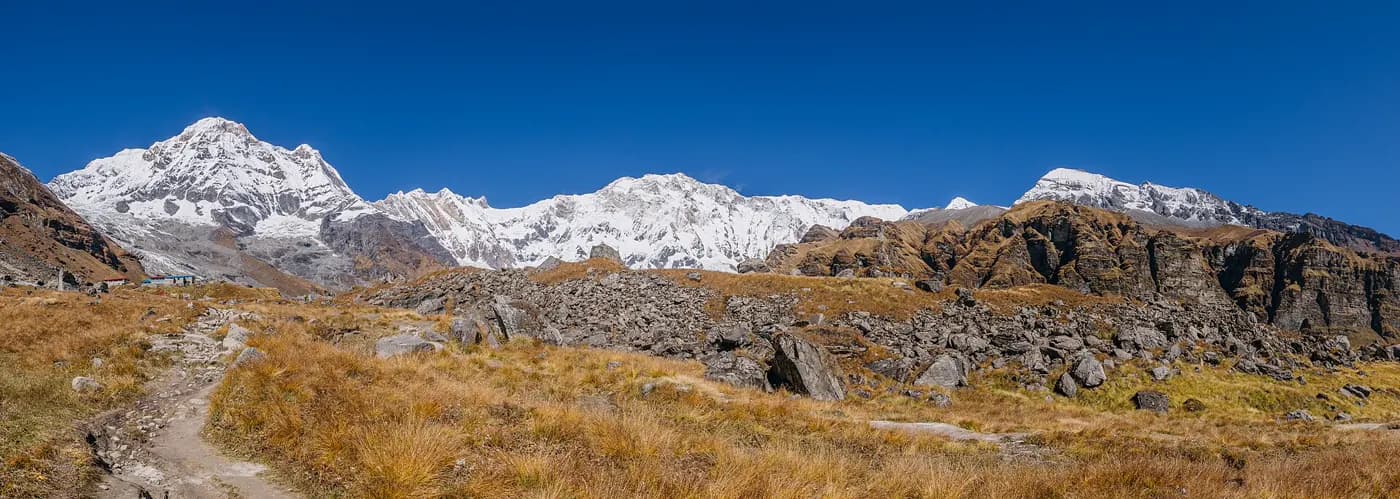
Extend from Tadapani to Chhomrong and on to Annapurna Base Camp, or swap Poon Hill for the quieter Mardi Himal Trek if you want more altitude. For a shorter, village-focused walk, see our Ghandruk trek.

 Moderate